
The Revolutionary Brushstrokes: Exploring French Impressionist Painters of the 19th Century
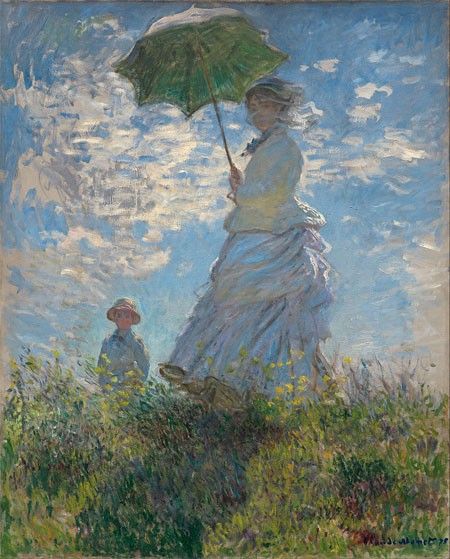
Welcome to "19th Century," where we delve into the captivating world of art and history. In this article, we explore the mesmerizing era of French Impressionist painters of the 19th century. Discover how these visionary artists challenged traditional techniques and revolutionized the art scene with their innovative brushwork and captivating use of light and color. Join us on this journey through time as we explore the brilliance of these masterful painters.
Exploring the Revolutionary Artistry of 19th Century French Impressionist Painters
The 19th century was a time of immense artistic exploration and innovation, with French Impressionist painters leading the way in revolutionizing the art world. These artists emphasized capturing the fleeting impressions of light and color in their works, challenging traditional artistic conventions and breaking free from academic restrictions.
The Impressionists sought to depict the transient nature of everyday life, often focusing on landscapes, urban scenes, and leisure activities. Their paintings were characterized by loose brushstrokes, bold use of color, and an emphasis on capturing the changing effects of light. By painting en plein air (outdoors), they were able to accurately capture the nuances of natural light and shadow.
Some of the most prominent Impressionist painters of the 19th century include Claude Monet, Pierre-Auguste Renoir, Edgar Degas, and Berthe Morisot. Monet's iconic series of water lilies and haystacks, Renoir's vibrant portraits, Degas' ballet dancers, and Morisot's intimate domestic scenes showcase the diverse subjects and styles within the movement.
However, the Impressionists faced initial rejection and criticism from the conservative art establishment. Their bold departure from realism and academic traditions was met with disdain by the art critics of the time. Undeterred, the Impressionists organized their own exhibitions, such as the famous Exhibition of the Impressionists in 1874, which aimed to showcase their avant-garde works to the public and gain recognition for their artistic vision.
Over time, the Impressionists' innovative techniques and unique approach to art gained acceptance and appreciation. Their influence can be seen in the works of subsequent generations of artists, who were inspired by their revolutionary artistry. The Impressionists' emphasis on capturing the fleeting moments of modern life and their experimental use of color and light laid the groundwork for the development of modern art in the 20th century.
The 19th century French Impressionist painters revolutionized the art world by challenging traditional artistic conventions and capturing the ephemeral qualities of light and color. Through their bold experimentation and perseverance, they paved the way for a new era of artistic expression.
Impressionist Painting Demonstration
Waldemar On The Hidden Meaning Behind 8 Iconic Paintings | Every Picture Tells A Story | Perspective
Who were the five French Impressionists?
The five French Impressionists were:
1. Claude Monet - Considered the leader of the Impressionist movement, Monet was known for his emphasis on capturing the fleeting effects of light and color in his outdoor landscapes.
2. Edgar Degas - Degas primarily focused on depicting scenes of urban life, such as ballet dancers, horse racing, and everyday activities. His work often showcased a sense of movement and experimentation with perspective.
3. Pierre-Auguste Renoir - Known for his vibrant and sensual depictions of people, Renoir's paintings often portrayed scenes of leisure and pleasure. His style evolved from the more traditional to a looser, brushwork-based approach later in his career.
4. Camille Pissarro - Pissarro's landscapes and rural scenes showcased a more rural and agricultural side of Impressionism. He was also known for his experimentation with different painting techniques and styles throughout his career.
5. Berthe Morisot - Often overshadowed by her male counterparts, Morisot was one of the few women artists associated with the Impressionist movement. Her work focused on domestic scenes, leisure activities, and portraits, providing a unique perspective within the group.
These artists played a significant role in challenging the traditional art conventions of their time and paving the way for modern art movements in the 20th century.
Who is the most renowned Impressionist painter of the 19th century?
The most renowned Impressionist painter of the 19th century was Claude Monet. Monet is known for his innovative use of color, light, and brushstrokes to capture the fleeting effects of nature and atmosphere. His famous works include "Water Lilies," "Rouen Cathedral Series," and "Impression, Sunrise." Monet's contributions to the Impressionist movement have had a profound influence on the art world and his style continues to be celebrated today.
Who were the three French Impressionist painters?
The three French Impressionist painters who played a significant role in the 19th century art movement were Claude Monet, Pierre-Auguste Renoir, and Edgar Degas. These artists focused on capturing the essence of a momentary impression through the use of vibrant colors, loose brushwork, and an emphasis on light and its changing qualities. Their groundbreaking approach to painting had a profound influence on the development of modern art.
Who is a renowned French Impressionist artist?
Claude Monet is a renowned French Impressionist artist from the 19th century. He is known for his innovative approach to capturing the effects of light and atmosphere in his paintings. Monet's famous works include "Water Lilies," "Impression, Sunrise," and "Rouen Cathedral Series." He played a crucial role in shaping the Impressionist movement, which aimed to depict the fleeting moments of everyday life with vibrant brushstrokes and color harmonies. Monet's unique style and contributions continue to inspire artists and art enthusiasts worldwide.
Frequently Asked Questions
Who were the key French Impressionist painters of the 19th century?
The key French Impressionist painters of the 19th century were Claude Monet, Pierre-Auguste Renoir, Edgar Degas, Camille Pissarro, Berthe Morisot, and Édouard Manet. These artists revolutionized the art world with their unique styles and techniques, characterized by capturing fleeting moments of light and color outdoors. They often painted en plein air, or outside, to capture the essence of a scene at a particular moment in time. The Impressionists rejected traditional academic methods of painting and instead focused on depicting the effects of light and atmosphere on their subjects. Their works were initially met with criticism, but eventually gained recognition and popularity, becoming some of the most celebrated and influential artists of the 19th century.
How did French Impressionist painters challenge traditional artistic conventions of the 19th century?
French Impressionist painters challenged traditional artistic conventions of the 19th century in several ways. First and foremost, they rejected the established rules of academic art that dictated the subject matter, composition, and technique of painting. Instead, they focused on capturing the fleeting effects of light and atmosphere in their works.
Impressionists also challenged the notion of representing objective reality through their subjective interpretations of the world around them. They aimed to convey their own personal impressions and experiences rather than adhering to a strict representation of the visible world. This approach was a direct departure from the traditional emphasis on precise rendering of details and realistic depictions.
Moreover, Impressionists strived for spontaneity and direct observation, often working en plein air (outdoors) to capture the transient qualities of their subjects. They embraced loose brushstrokes and rapid application of paint, foregoing the meticulous and polished finish typically associated with academic painting.
Color was another area where Impressionists challenged convention. They abandoned the traditional use of muted or earth tones and instead employed bright, vibrant colors in their paintings. By using pure, unmixed pigments, they aimed to capture the ever-changing nuances of light and color in their compositions.
Overall, the French Impressionist painters challenged the traditional artistic conventions of the 19th century by rejecting academic rules, prioritizing subjective interpretations, emphasizing spontaneous observation, and experimenting with vibrant colors. Their bold and innovative approaches paved the way for the development of modern art.
What impact did French Impressionist painters have on the art world of the 19th century?
The French Impressionist painters had a significant impact on the art world of the 19th century. Their bold and innovative approach to painting revolutionized the way artists approached composition, color, and light.
One of the most important contributions of the Impressionists was their focus on capturing fleeting moments and the changing effects of light on the subject matter. They broke away from the traditional academic style of romanticism and realism, which often depicted idealized or idealized versions of reality. Instead, they sought to capture the essence of a scene or a moment in time, often painting en plein air (outdoors) to observe and depict natural light.
The Impressionists also introduced a new color palette and brushwork technique. They abandoned the use of precise and detailed brushstrokes in favor of looser, more spontaneous strokes that conveyed the play of light and movement. Their emphasis on the use of pure, vibrant colors and their ability to capture the shifting qualities of light gave their paintings a sense of immediacy and energy.
The Impressionists faced significant criticism from the established art institutions of the time. Their unconventional style and subject matter were seen as a departure from traditional artistic standards. In fact, the term "Impressionism" was originally used derogatorily by critics who found their work to be unfinished and lacking in detail. However, over time, their works gained recognition and appreciation for their innovative and groundbreaking qualities.
Their influence extended beyond the art world of the 19th century into the development of modern art movements in the 20th century. Their emphasis on capturing moments and impressions rather than rigidly representing reality paved the way for movements such as Cubism, Fauvism, and Abstract Expressionism.
The French Impressionist painters of the 19th century had a profound impact on the art world. Their focus on capturing fleeting moments, experimentation with color and brushwork, and their departure from traditional artistic standards paved the way for the development of modern art movements.
The French Impressionist painters of the 19th century revolutionized the art world with their innovative techniques and unique perspectives. Their rejection of traditional academic rules and emphasis on capturing fleeting moments and sensations had a profound impact on the art world, influencing generations of artists to come.
Through their commitment to depicting the immediacy and transience of everyday life, these painters created a sense of vitality and movement in their works. The use of loose brushwork and vibrant colors reflected the changing society and its dynamic pace.
Moreover, the Impressionists' insistence on painting en plein air, or outdoors, allowed them to capture the ever-changing play of light and its effect on their subjects. This approach not only challenged the conventional notion of what constituted a finished artwork but also captured the essence of the moment in a way that was unprecedented.
The legacy of the French Impressionist painters is still evident today. Their bold experimentation and willingness to push boundaries continue to inspire artists across the globe. Their influence can be seen in contemporary art that embraces subjectivity and personal expression, as well as in the exploration of light and color as crucial elements in artistic creation.
The French Impressionist painters of the 19th century revolutionized the art world with their innovative approaches and unique perspectives. Their rejection of traditional academic rules and emphasis on capturing fleeting moments and sensations left an indelible mark on the art world, shaping the course of artistic expression for years to come. The Impressionists' commitment to portraying the immediacy and transience of life, their use of vibrant colors and loose brushwork, and their exploration of light and its effects continue to inspire and captivate audiences worldwide.