
Understanding the Impact of 19th Century Amendments: A Closer Look at Constitutional Changes
Welcome to 19th Century, a blog dedicated to exploring the captivating world of the past. In this article, we delve into the transformative 19th century amendments, examining their profound impact on society and the course of history. Join us as we unravel the significance of these pivotal changes that shaped the fabric of our modern world.
The Impact of 19th Century Amendments: Shaping Society and Advancing Civil Rights
The 19th century amendments had a profound impact on shaping American society and advancing civil rights. These amendments, including the 13th, 14th, and 15th Amendments, aimed to address the issues of slavery, citizenship, and voting rights.
The 13th Amendment, ratified in 1865, abolished slavery and involuntary servitude, marking a major turning point in American history. It not only emancipated millions of African Americans but also fundamentally transformed the social fabric of the nation.
The 14th Amendment, ratified in 1868, granted citizenship to all persons born or naturalized in the United States, regardless of race or color. This amendment aimed to protect the rights and equal treatment of African Americans, particularly in the face of the discriminatory Black Codes enacted by Southern states after the Civil War. It provided a constitutional basis for the civil rights movement in the 20th century.
The 15th Amendment, ratified in 1870, granted African American men the right to vote. This was a significant step forward in advancing civil rights, as it aimed to ensure that race would not be a barrier to political participation. However, it was often circumvented through methods such as literacy tests and poll taxes, leading to continued disenfranchisement of African Americans in many parts of the country.
These amendments laid the foundation for the ongoing struggle for civil rights and equality in America, providing legal frameworks that were used as a basis for future activism and legislation. They challenged the deeply ingrained racism and discrimination prevalent during the 19th century and beyond.
The 19th century amendments played a crucial role in shaping American society and advancing civil rights. The abolition of slavery, guarantee of citizenship, and expansion of voting rights marked important milestones in the long journey towards equality and justice.
Reflecting On A Century Since The Ratification Of The 19th Amendment | NBC News NOW
Former New York Post Editor Laughs When Detailing Censorship Of Bombshell Hunter Biden Laptop Story
In what ways have the 15th, 17th, 19th, 24th, and 26th amendments extended the right to vote?
The 15th Amendment, ratified in 1870, extended the right to vote to African American men. It stated that the right to vote shall not be denied or abridged based on race, color, or previous condition of servitude.
The 17th Amendment, ratified in 1913, extended the right to vote to citizens by allowing them to directly elect their senators. Prior to this amendment, senators were chosen by state legislatures.
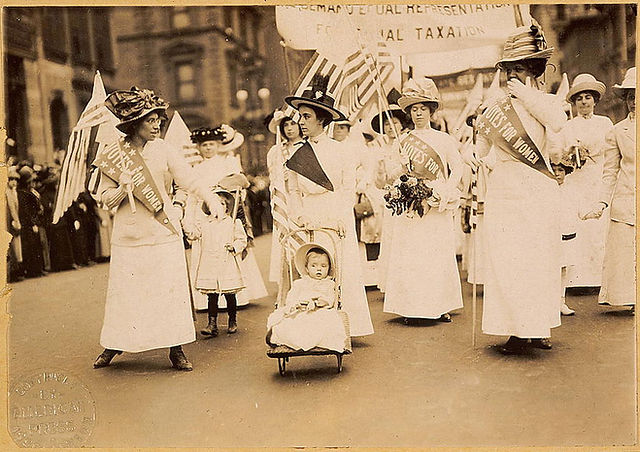
The 19th Amendment, ratified in 1920, extended the right to vote to women. It prohibited the denial of voting rights on the basis of sex, thus granting women the right to participate in the electoral process.
The 24th Amendment, ratified in 1964, extended the right to vote by prohibiting the use of poll taxes. Poll taxes were used in some states as a way to disenfranchise certain groups, particularly African Americans and low-income individuals.
The 26th Amendment, ratified in 1971, extended the right to vote to 18-year-olds. Prior to this amendment, the voting age varied across states, and many argued that if individuals were old enough to be drafted into the military at 18, they should also have the right to vote.
These amendments were crucial in expanding the scope of suffrage and ensuring a more inclusive democracy during the 19th century.
What is the commonality among the 15th, 19th, 24th, and 26th amendments?
The commonality among the 15th, 19th, 24th, and 26th amendments in the context of the 19th century is that they all expanded or protected the rights of certain groups of citizens.
The 15th Amendment was ratified in 1870 and prohibited the denial of voting rights based on race, color, or previous condition of servitude. This amendment aimed to ensure that African American men could exercise their right to vote.
The 19th Amendment was ratified in 1920 and granted women the right to vote. It was a significant milestone in the women's suffrage movement and marked a major advancement in gender equality.
The 24th Amendment, ratified in 1964, abolished the poll tax, which had been used as a way to disenfranchise African American voters during the 19th century. The amendment ensured that voting would be free of financial barriers.
Lastly, the 26th Amendment was ratified in 1971 and lowered the voting age from 21 to 18. This amendment was a response to the Vietnam War and the argument that if 18-year-olds were old enough to fight and be drafted into the military, they should have the right to vote.
Overall, these amendments reflect a trend towards expanding and protecting voting rights during the 19th century, encompassing racial equality, gender equality, and broader inclusivity in the democratic process.
What are the 18th and 19th Amendments?
The 18th and 19th Amendments were two significant amendments to the United States Constitution that were ratified during the 19th century.
The 18th Amendment: Ratified in 1919, the 18th Amendment established Prohibition in the United States, making it illegal to manufacture, sell, or transport alcoholic beverages. This constitutional amendment aimed to reduce crime, corruption, and social issues associated with alcohol consumption.
The 19th Amendment: Ratified in 1920, the 19th Amendment granted women the right to vote. This amendment was a milestone in the women's suffrage movement, which fought for equal political rights and representation for women. It marked a significant victory for gender equality and expanded democratic participation.
These amendments reflect the social and political changes that occurred during the late 19th and early 20th centuries in the United States. The 18th Amendment, although later repealed, demonstrated efforts to enforce moral standards through legislation, while the 19th Amendment played a crucial role in advancing women's rights and promoting greater inclusivity in the democratic process.
What is the commonality among the 19th, 24th, and 26th amendments?
The commonality among the 19th, 24th, and 26th amendments is that they all expanded the rights and participation of individuals in the United States.
The 19th Amendment, ratified in 1920, granted women the right to vote. This was a significant milestone in the women's suffrage movement, which fought for equal political rights for women.
The 24th Amendment, ratified in 1964, abolished the poll tax for federal elections. The poll tax was a fee imposed on voters, which disproportionately affected African Americans and other marginalized communities, as it essentially disenfranchised those who could not afford to pay the tax.
The 26th Amendment, ratified in 1971, lowered the voting age from 21 to 18. This amendment was a response to the Vietnam War and the argument that if individuals were old enough to be drafted into military service, they should also have the right to vote.
All three amendments reflect a history of expanding democratic rights and promoting inclusivity in the American political system. They aimed to ensure that all citizens, regardless of gender, race, or age, had the right to participate in the electoral process.
Frequently Asked Question
What were the key amendments to the United States Constitution during the 19th century?
During the 19th century, several key amendments were made to the United States Constitution. These amendments played a crucial role in expanding civil rights and reflecting the changing societal values of the time.
The 13th Amendment was ratified in 1865 and abolished slavery and involuntary servitude, except as punishment for a crime.
The 14th Amendment, ratified in 1868, granted citizenship to all persons born or naturalized in the United States and provided equal protection under the law.
The 15th Amendment, ratified in 1870, prohibited the denial of voting rights based on race, color, or previous condition of servitude.
The 16th Amendment, ratified in 1913, gave Congress the power to impose income taxes, which became an essential source of revenue for the federal government.
The 18th Amendment, ratified in 1919, initiated the era of Prohibition, making the production, sale, and transportation of alcoholic beverages illegal.
The 19th Amendment, ratified in 1920, granted women the right to vote, significantly expanding the electorate.
These amendments reflect the societal changes and struggles of the 19th century, such as the abolitionist movement, the Reconstruction Era after the Civil War, the fight for racial equality, and the women's suffrage movement.
How did the 19th century amendments shape and redefine civil rights in America?
The 19th century amendments, particularly the 13th, 14th, and 15th Amendments, played a crucial role in shaping and redefining civil rights in America. These amendments were enacted after the American Civil War and aimed to address the need for equality and protection of rights for African Americans.
The 13th Amendment, ratified in 1865, abolished slavery and involuntary servitude, except as punishment for a crime. This amendment was crucial in ending the institution of slavery, which had been a fundamental violation of human rights.
The 14th Amendment, ratified in 1868, established the principle of equal protection of the laws. It granted citizenship to all individuals born or naturalized in the United States, including former slaves. This amendment aimed to provide legal protection and equal rights to African Americans.
The 15th Amendment, ratified in 1870, prohibited the denial of the right to vote based on race, color, or previous condition of servitude. This amendment sought to ensure that African Americans had the right to participate in the political process and exercise their democratic rights.
These amendments redefined civil rights in America by securing legal protections and equal rights for African Americans. They recognized the importance of equality under the law and addressed the systemic injustices faced by this marginalized group.
However, despite these amendments, African Americans still faced significant challenges and discriminatory practices. Jim Crow laws, segregation, and voter suppression tactics limited the effective implementation of these rights. It wasn't until the civil rights movement of the 20th century that further progress was made in achieving true equality for African Americans.
The 19th century amendments, specifically the 13th, 14th, and 15th Amendments, had a profound impact on reshaping civil rights in America. They laid the foundation for equal protection under the law and voting rights, although the struggle for full equality continued well into the 20th century.
What were the social and political impacts of the 19th century amendments on the trajectory of American history?
The 19th century amendments had significant social and political impacts on the trajectory of American history. These amendments, including the 13th, 14th, and 15th Amendments, addressed crucial issues such as slavery, citizenship, and voting rights.
The 13th Amendment abolished slavery and involuntary servitude in the United States. This marked a major turning point in American society, as it brought an end to one of the most divisive and morally reprehensible practices in the nation's history. The abolition of slavery paved the way for greater equality and freedom for African Americans, although it would take many more years for true racial equity to be achieved.
The 14th Amendment granted citizenship to all persons born or naturalized in the United States, regardless of race or ethnicity. It also provided equal protection under the law and due process for all citizens. This amendment was a direct response to the post-Civil War Reconstruction period when African Americans faced immense discrimination and violence. The 14th Amendment aimed to secure their civil rights and protect them from state infringements on their liberties.
The 15th Amendment prohibited the denial of voting rights based on race, color, or previous condition of servitude. This amendment sought to enfranchise African American men and grant them political power. While this was a significant step towards suffrage for African Americans, it was not until the Voting Rights Act of 1965 that substantial barriers to voting were finally dismantled.
Overall, these amendments had a profound impact on American society and politics. They sought to redress the injustices of slavery, establish equal citizenship rights, and promote the political participation of African Americans. However, it is important to note that the fight for equality and civil rights continued long after the passage of these amendments, and the legacy of racism and discrimination endured throughout the 19th century and beyond.
The 19th century was a pivotal time in American history, marked by significant amendments that shaped the nation's future. The 13th Amendment abolished slavery, finally granting freedom to millions who had been oppressed for centuries. The 14th Amendment sought to secure equal rights and protection under the law for all citizens, regardless of race or ethnicity. Additionally, the 15th Amendment extended voting rights to African American men, although this right would be challenged and restricted for many years to come. These amendments were essential steps towards a more inclusive and democratic society, yet their implementation was often met with resistance and continued struggles for marginalized communities. Nonetheless, the 19th century amendments laid a foundation for progress, setting the stage for further advancements in civil rights and social justice in the decades to come. The legacy of these amendments continues to shape our understanding of equality and serves as a reminder of the ongoing fight for justice and equality for all.